



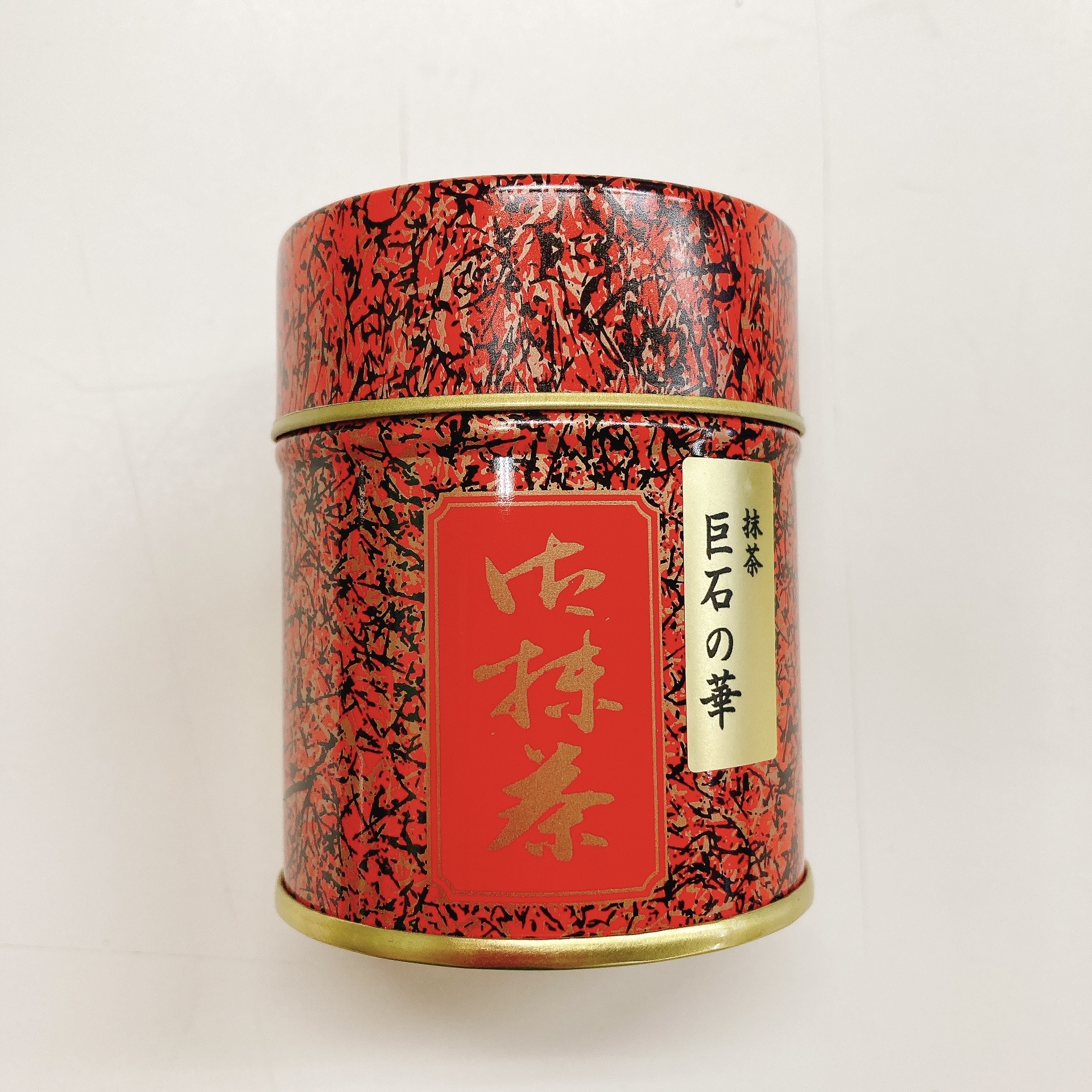

愛知県西尾産の抹茶20g入り缶です。
茶道では薄茶用としておすすめしております。
香り高くバランスの良い抹茶で、老若男女問わず人気の抹茶です。
抹茶ラテ・抹茶チーズケーキなど本格抹茶ドリンクやお菓子作りにおすすめ。
賞味期限:6か月
抹茶は100%自然由来の原料の食品でありデリケートですが、品質を劣化させないよう正しい保存方法や取扱いをすることで、長期間その味を保つことができます。
抹茶商品に脱酸素剤を封入し密封してお届けしており、高温を避けた未開封の状態であれば6ヶ月間の賞味期限を保証しています。
保存方法
品質を劣化させる要因
抹茶は品質の劣化を起こしやすく、取扱いに注意が必要です。温度、湿度、光、臭気に弱い性質を持っています。具体的には、高温・高湿度で抹茶の風味は変質します。「覆い香」と呼ばれる抹茶特有の香りが傷んだ香りになり、色は赤みを帯びてしまいます。また、光に当たると日光や照明を問わず退色してしまいます。臭い移りしやすいのも特徴です。
適切な保存とは
密封された状態で、冷凍庫や冷蔵庫、冷暗所など高温を避けた状態で保存します。より低温の方が品質保持には有効ですので、冷凍や冷蔵保存をおすすめします。
その場合、必ず常温に戻してから開封し、開封後は早めに飲用またはご使用ください。低温のまま開封すると、温度差で空気中の水分を吸って結露し、急速に品質が劣化します。
使用の頻度に応じた詰入れ量を購入すれば、開封後短期間で使い切ることができます。短期間であれば必ずしも冷凍・冷蔵する必要性はありません。むしろ、結露や温度変化による品質劣化のリスクを避けることができるため、開封後は湿気のない冷暗所で保存し、短期間に使い切ることがおすすめです。
使用上の注意
ダマ
抹茶はおよそ10ミクロン程の微粉末であり、静電気や、保存中の自重による圧力でダマになりやすい性質があります。そのため、点てた場合に口の中でダマが残ったり、製菓原料と混合した際、撹拌しにくい場合があります。使用直前にふるい網かストレーナーでふるうと防ぐことができます。
光による退色
自然由来の抹茶のみどり色は、光で退色してしまいます。製菓原料として使用した場合も同様です。例えば、抹茶ケーキを長時間ショーケースに陳列し、照明にさらしたことにより、退色するなどです。
抹茶は遮光性のある容器に密封し、暗所に保管してください。食品に加工した場合も、遮光性のある包装資材を使用する、長時間の光にあたる陳列を避けるなどの対策が有効です。
加熱加工による劣化
抹茶は加熱すると風味が落ちたり、赤みを帯びた色に変色することがあります。例えば、焼き菓子にすることで、抹茶の香りが感じにくくなる、抹茶プリンの加熱工程前後で色が変わるなどです。加熱加工には、温度・時間など調整が必要です。
泣き
抹茶は吸湿・吸水しやすいため、和洋菓子にふりかけた抹茶が濡れた状態になり、商品価値が低下するということがあります。このような変化を「泣き」と呼びます。表面に水分がある食品に振りかける場合、注意が必要です。
膨らみ不足
抹茶を使用した焼き菓子やパンなどで、膨らみが不足するというケースがあります。抹茶を練りこんだ生地とする場合、適切に膨らむよう手順や分量を工夫する必要があります。
Matcha produced in Nishio, Aichi Prefecture.
It is recommended in the tea ceremony for thin tea.
This highly aromatic and well-balanced matcha is popular among men and women of all ages.
Recommended for authentic matcha drinks such as matcha lattes and matcha cheesecakes, as well as for baking sweets.
We can sell it in packs of 20g, 30g, etc., depending on your preference.
Please enter the quantity in the remarks column.
Please consume as soon as possible.
Expiration date
Matcha is a food product made from 100% natural ingredients and is delicate, but by storing and handling it correctly to prevent deterioration in quality, it is possible to preserve its flavor for a long period of time.
Our matcha products are delivered sealed with oxygen absorbers, and we guarantee a shelf life of six months if they are kept unopened and away from high temperatures.
Storage Methods
Factors That Degrade Quality
Matcha is prone to quality degradation and requires careful handling. It is sensitive to temperature, humidity, light, and odors. Specifically, high temperatures and humidity cause the flavor of matcha to deteriorate. The unique aroma of matcha, known as “covering fragrance,” becomes damaged, and the color takes on a reddish tint. Additionally, exposure to light, whether sunlight or artificial lighting, causes the color to fade. Matcha is also prone to absorbing odors.
Proper Storage
Store in an airtight container in a freezer, refrigerator, or cool, dark place to avoid high temperatures. Lower temperatures are more effective for maintaining quality, so we recommend freezing or refrigerating.
In such cases, always return to room temperature before opening, and consume or use promptly after opening. Opening while still cold can cause condensation from moisture in the air due to temperature differences, leading to rapid quality degradation.
Purchasing an amount appropriate for your usage frequency allows you to use it up within a short period after opening. In such cases, freezing or refrigeration is not necessarily required. Instead, storing it in a cool, dark place with low humidity after opening and using it up within a short period is recommended to avoid the risk of quality degradation due to condensation or temperature changes.
Precautions for use
Clumping
Matcha is a fine powder of about 10 microns in size and has a tendency to clump due to static electricity and pressure from its own weight during storage. Therefore, when whisked, clumps may remain in the mouth, or when mixed with confectionery ingredients, it may be difficult to stir. This can be prevented by sifting it through a sieve or strainer immediately before use.
Fading due to light
The natural green color of matcha fades when exposed to light. The same applies when used as a baking ingredient. For example, matcha cakes displayed in a showcase for a long time under lighting may fade.
Store matcha in an airtight, light-proof container in a dark place. When processed into food, use light-proof packaging materials and avoid prolonged exposure to light.
Degradation due to heat processing
When heated, matcha may lose its flavor or change color to a reddish hue. For example, baking it into pastries may make the matcha aroma less noticeable, or the color of matcha pudding may change before and after heating. Heat processing requires adjustments to temperature and time.
Weeping
Matcha is prone to moisture absorption, so when sprinkled on Japanese or Western-style confections, it may become damp, reducing the product's value. This phenomenon is called “weeping.” Caution is required when sprinkling matcha on foods with moisture on the surface.
Insufficient rising
In baked goods or bread made with matcha, there may be cases where the product does not rise sufficiently. When incorporating matcha into dough, it is necessary to adjust the process and quantities to ensure proper rising.